Glucose charts
See how meals, movement, and daily habits shape your glucose levels from morning to night.
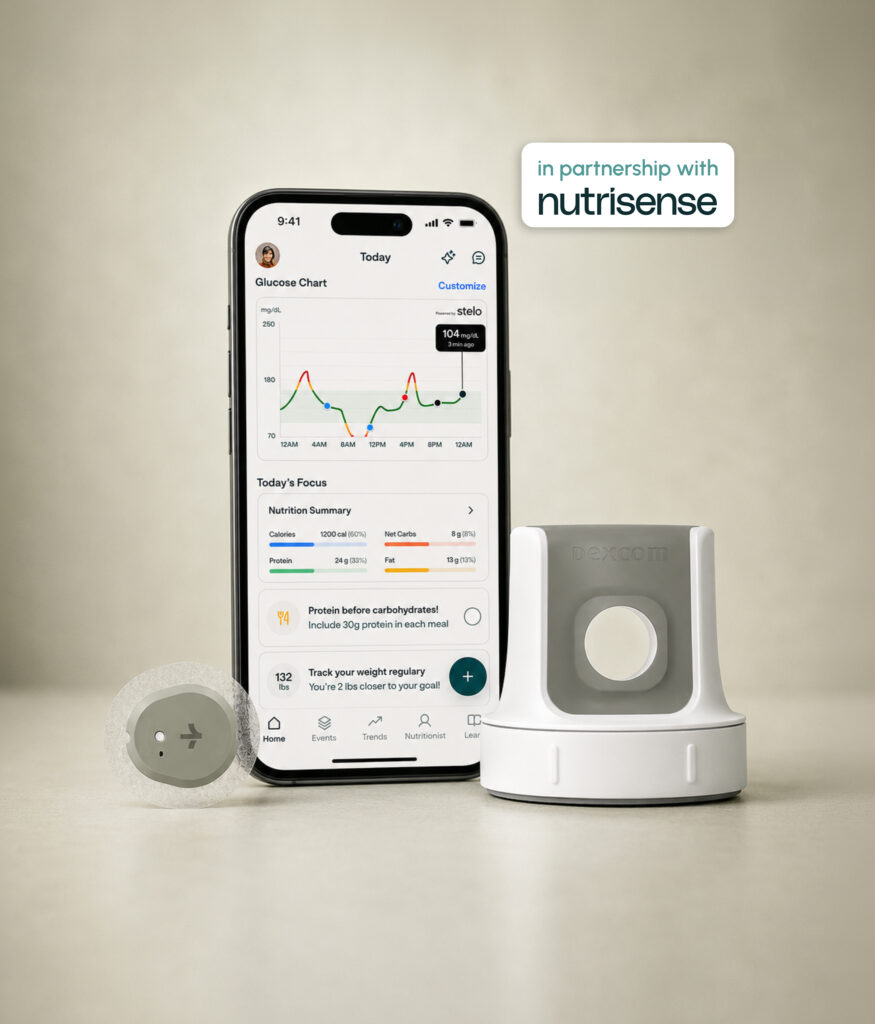
Take control of your glucose, weight, and metabolic health with continuous glucose monitoring, expert dietitian support, and powerful insights—all in one program with Nutrisense.
A calorie deficit tells part of the story. Nutrisense can show how meals, sleep, stress, and movement align with glucose levels throughout the day, helping you spot patterns that are difficult to see through calorie tracking alone.
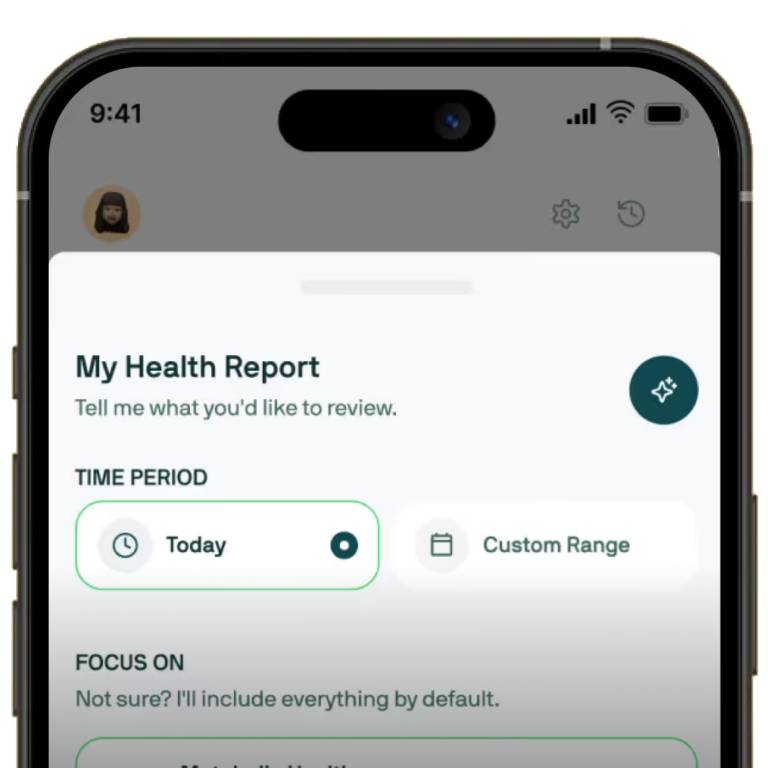
Stelo captures the data, the Nutrisense app turns it into clear trends, and eligible members can work with a registered dietitian to test more personalized strategies without relying on guesswork.
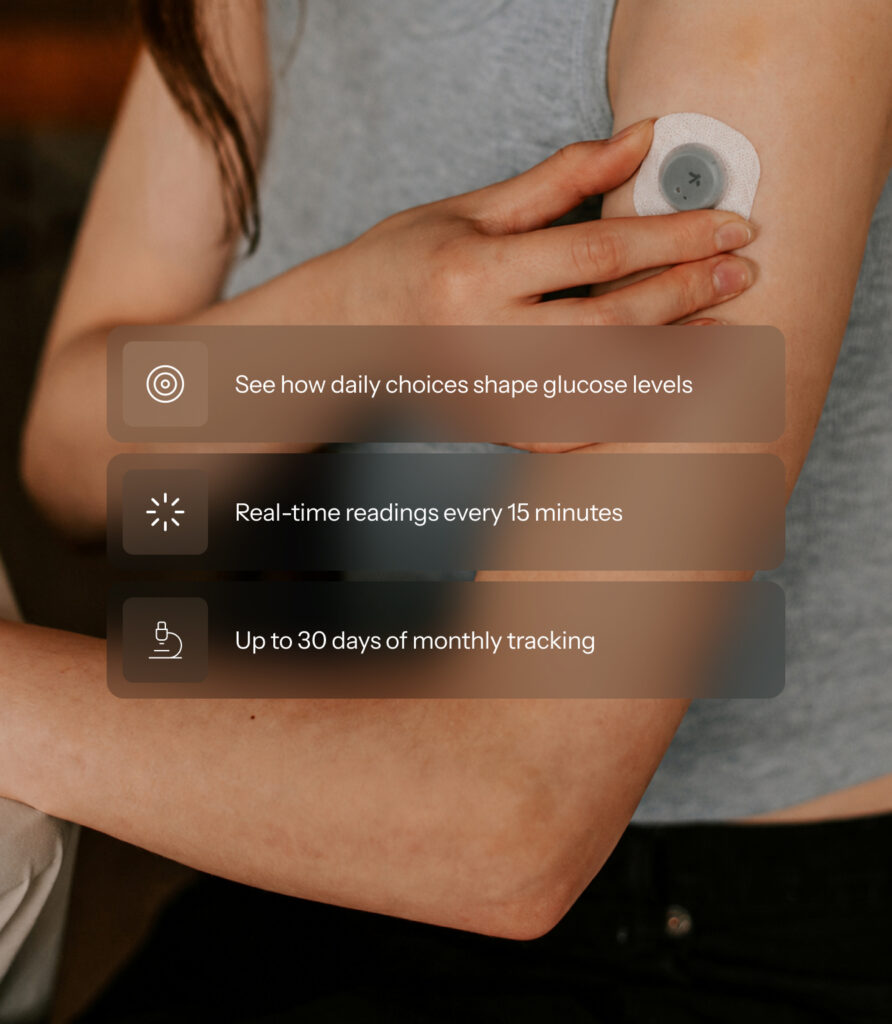
Most users are surprised to find that the application is painless. The Continuous Glucose Monitor (CGM) uses a tiny flexible filament (not a rigid needle) that sits just under the skin. Once applied, it is water-resistant and durable. You can swim, shower, and exercise confidently knowing it is designed to stay secure for its full wear duration.
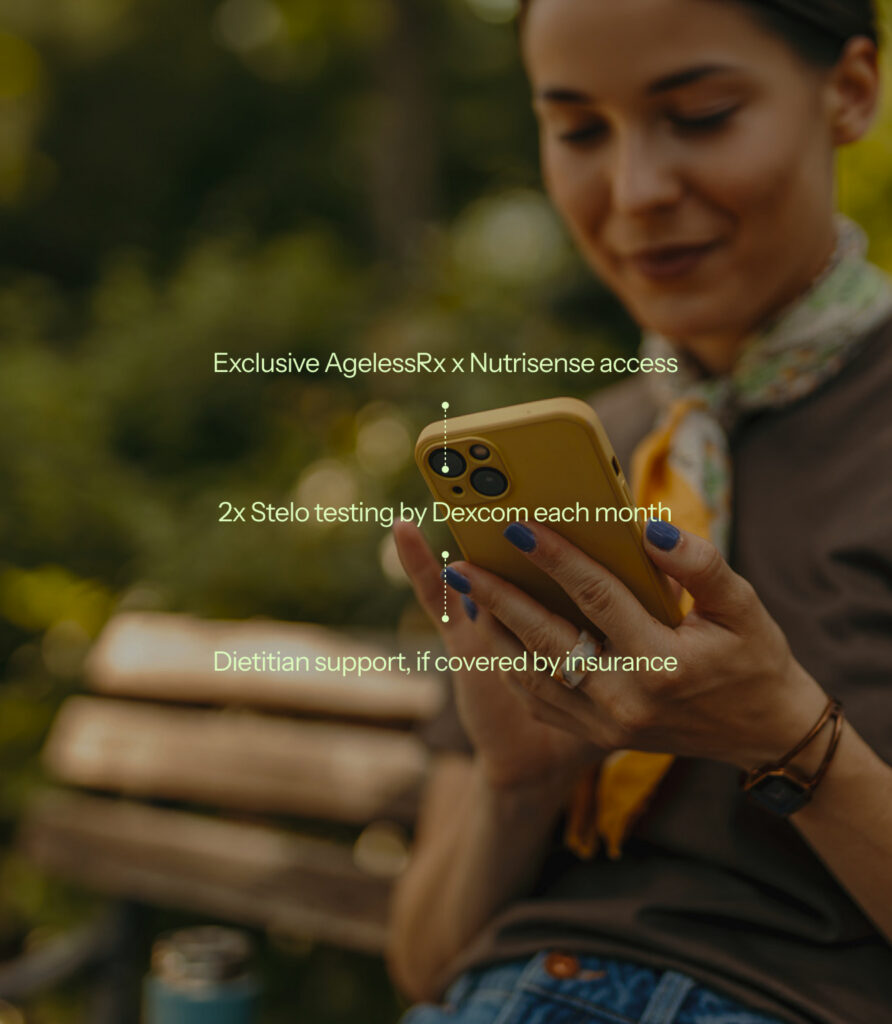
We’ve partnered with Nutrisense to give you exclusive access to their advanced continuous glucose monitoring program. Other programs give you a sensor, automated alerts, and data without interpretation. Nutrisense gives you Nora, an AI dietitian that analyzes your patterns 24/7, plus a glucose-certified human dietitian who uses Nora’s insights to build a plan specific to your body and goals. That’s the actual differentiator: not the sensor, which is largely the same across programs, but what happens with what it finds.
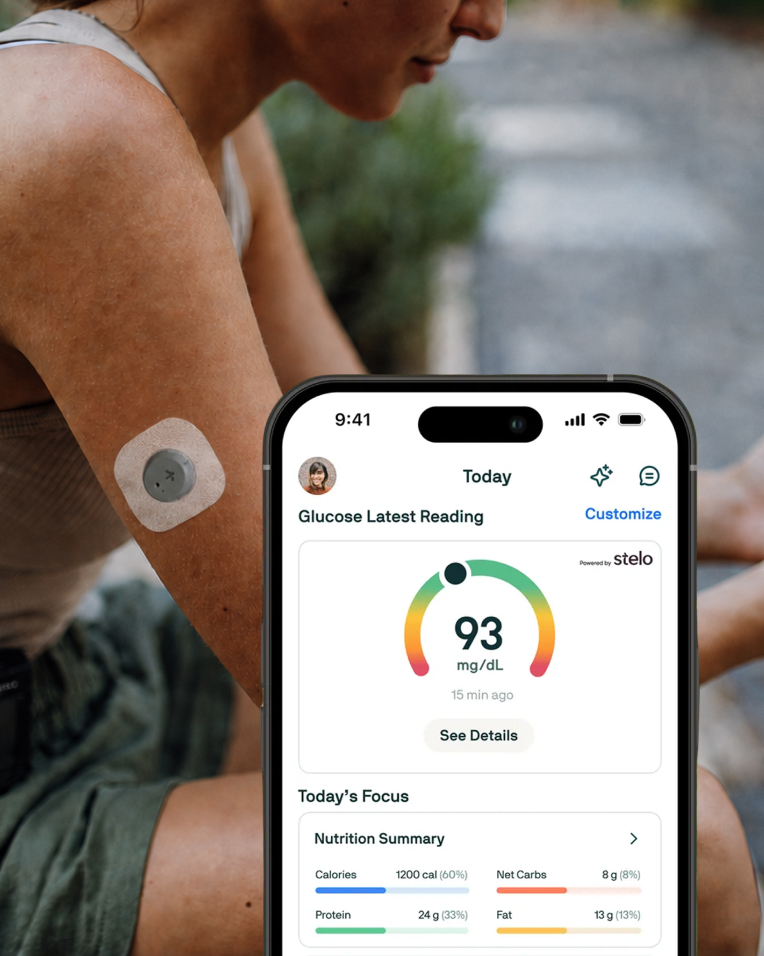
Apply the Stelo biosensor to the back of the upper arm and complete the 30-minute warmup. Glucose readings will then sync to the Stelo app, with deeper tracking and insights available through Nutrisense.
Consult your healthcare provider before making any medication adjustments based on your sensor readings and do not take any other medical action based on your sensor readings without consulting your healthcare provider. Do not use if you have problematic hypoglycemia. Failure to use Stelo and its components according to the instructions for use provided and to properly consider all indications, contraindications, warnings, and cautions in those instructions for use may result in you missing a severe hypoglycemia (low blood glucose) or hyperglycemia (high blood glucose) occurrence. If your sensor readings are not consistent with your symptoms, a blood glucose meter may be an option as needed, consult your healthcare provider. Seek medical advice and attention when appropriate, including before making any medication adjustments and/or for any medical emergency.
The Stelo Continuous Glucose Monitor (CGM) System is an over-the-counter (OTC) integrated Continuous Glucose Monitor (iCGM) intended to continuously measure, record, analyze, and display glucose values in people 18 years and older not on insulin. The Stelo Continuous Glucose Monitor (CGM) System helps to detect normal (euglycemic) and low or high (dysglycemic) glucose levels. The Stelo Continuous Glucose Monitor (CGM) System may also help the user better understand how lifestyle and behavior modification, including diet and exercise, impact glucose fluctuations. The user is not intended to take medical action based on the device output without consultation with a qualified healthcare professional.
CONTRAINDICATIONS: No MRI/CT/diathermy – MR unsafe.
WARNINGS: Choking hazard. Don’t use if you have problematic hypoglycemia. Don’t use if you are on dialysis. Don’t ignore low/high symptoms: When your sensor readings are not consistent with your symptoms, consult your health care provider. Consult your health care provider before making any medication adjustments based on your sensor readings. Learn more at https://www.stelo.com/en-us/safety-information.
Note: The above statements have not been evaluated by the Food and Drug Administration. This product is not intended to diagnose, treat, cure, or prevent any disease.

Most health plans are reactive and built around snapshots: a lab result, a weigh-in, or how you happened to feel that day.
A Continuous Glucose Monitor (CGM) fills in what happens between those moments, showing how glucose levels shift alongside meals, movement, sleep, and stress—months or years before it would show up on an annual panel—which is why we partnered with Nutrisense to offer their trusted program to our members at cost.3
Understand how your body responds to different foods, stress, and activities.

Clinically studied
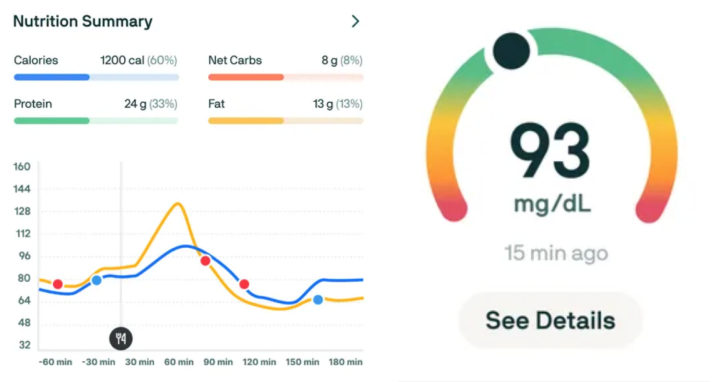
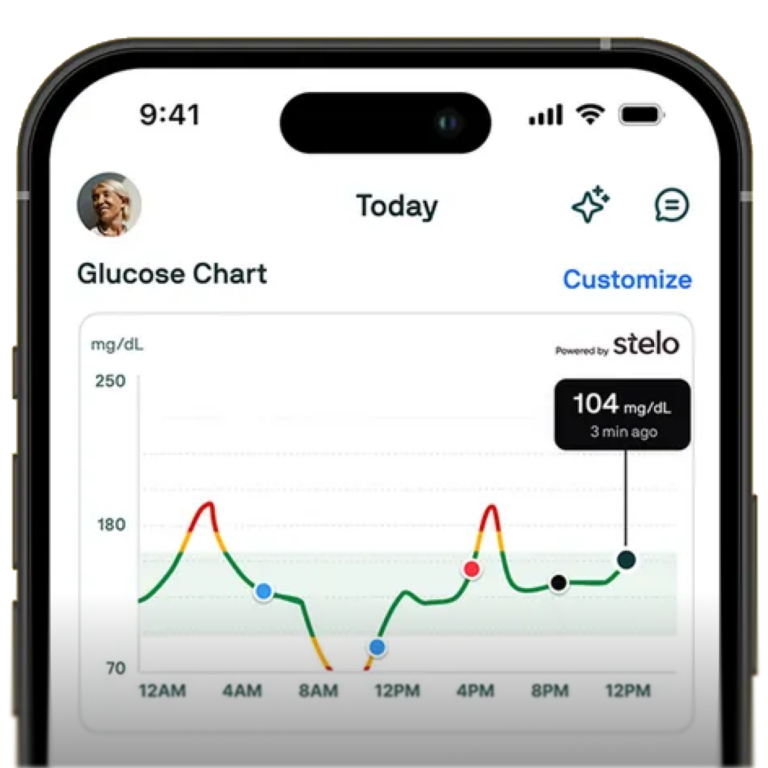
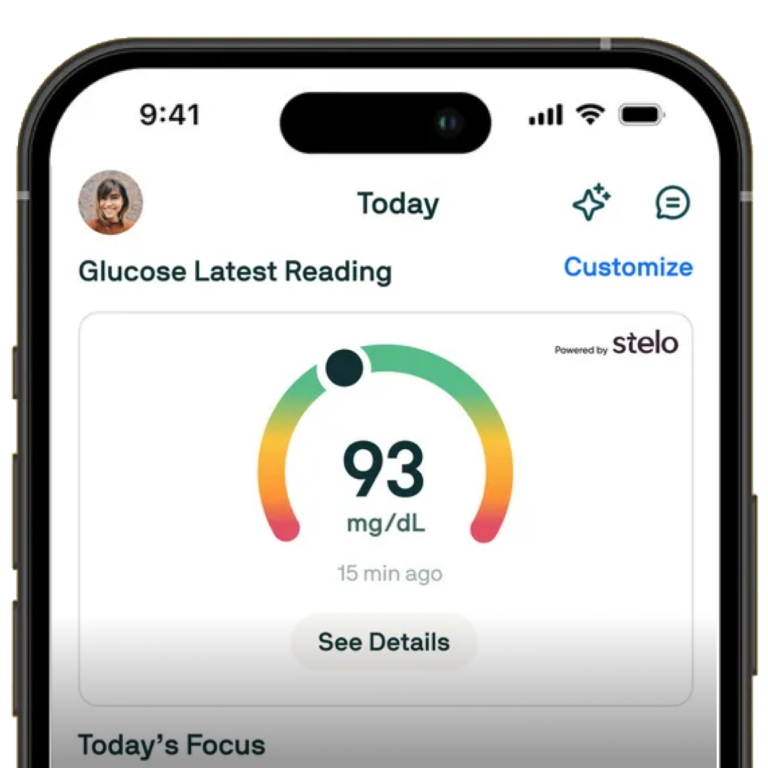
Glucose changes throughout the day. Stelo continuously measures glucose in the fluid beneath the skin and updates readings every 15 minutes, capturing the spikes, dips, and variability that a single snapshot can miss.
In research studies following non-diabetic adults over time, higher glycemic variability measured by CGM was a significant predictor of who went on to develop diabetes, providing information with real predictive value.3
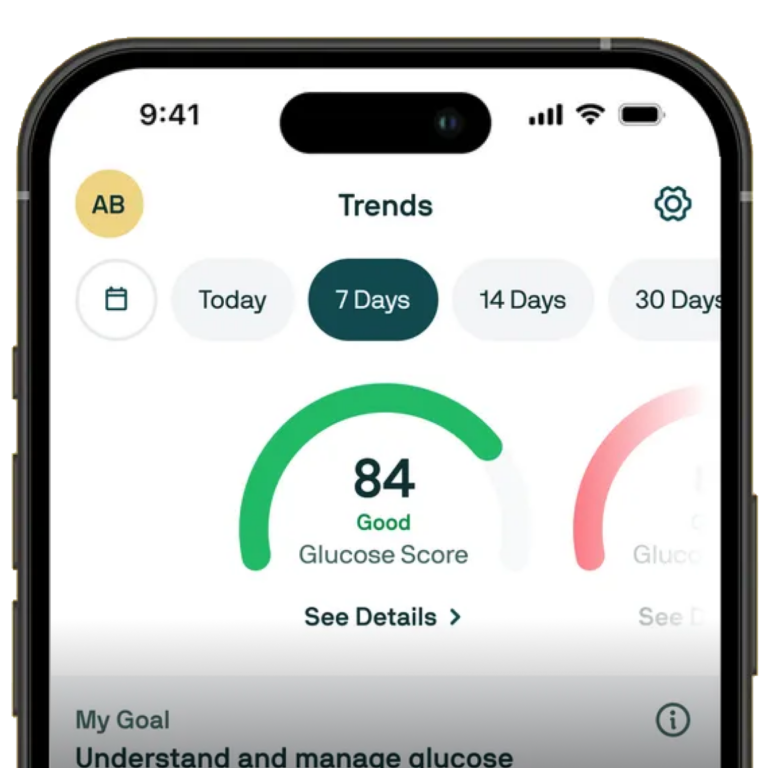
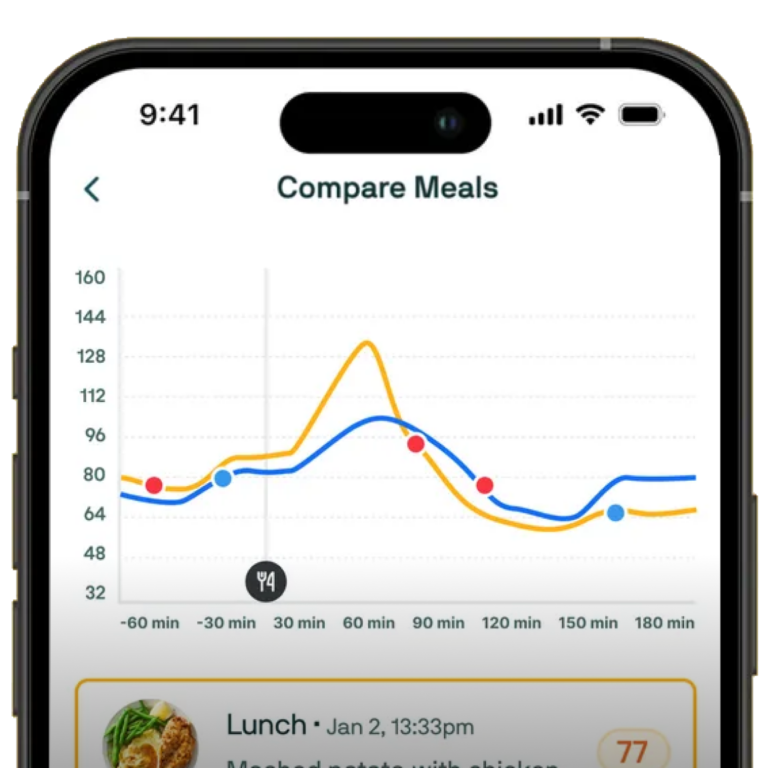
When that variability is viewed alongside meals, activity, sleep, and stress, individual readings begin to tell a larger story. Patterns can show which meals produce a different response, how movement aligns with the curve, and whether small changes appear to be moving glucose in a steadier direction.4
$99/month
Billed monthly with 6-mo commitment
What’s included


Disclaimer
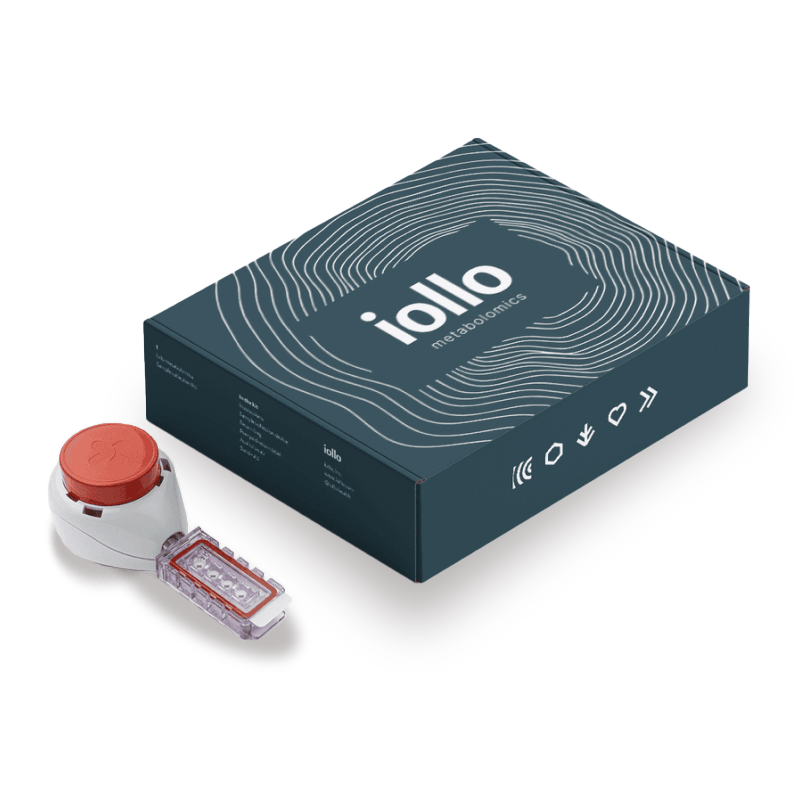
Measure 600+ advanced biomarkers across 19 health areas in one at-home test for personalized insights into how each of your organ systems is aging, where your health may need attention, and what to do next.
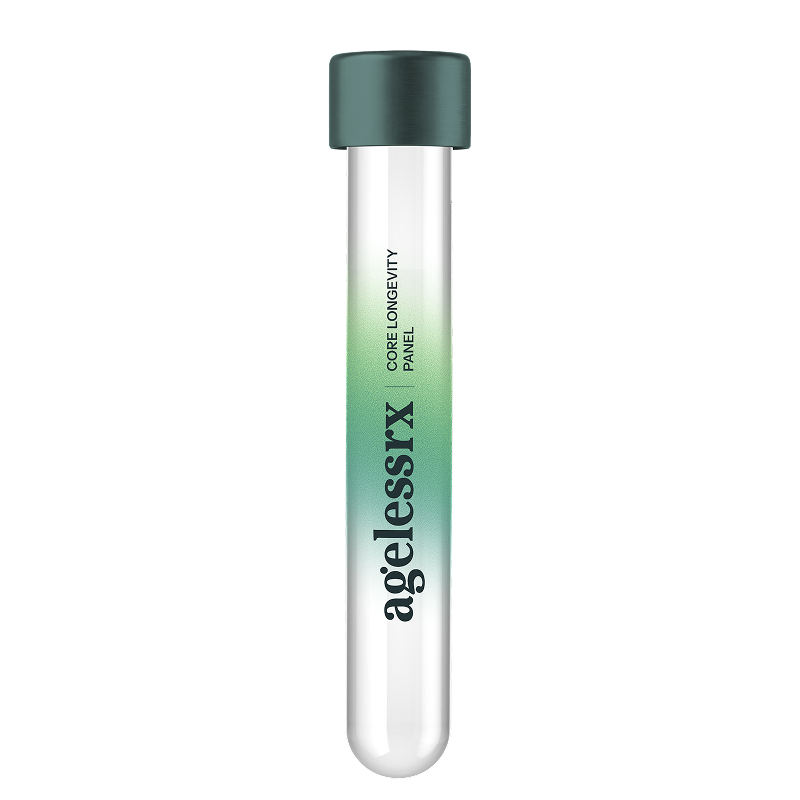
Measure 40+ biomarkers across heart, metabolic, liver, kidney, inflammation, bone, and blood health, including advanced markers your annual labs may not routinely cover.
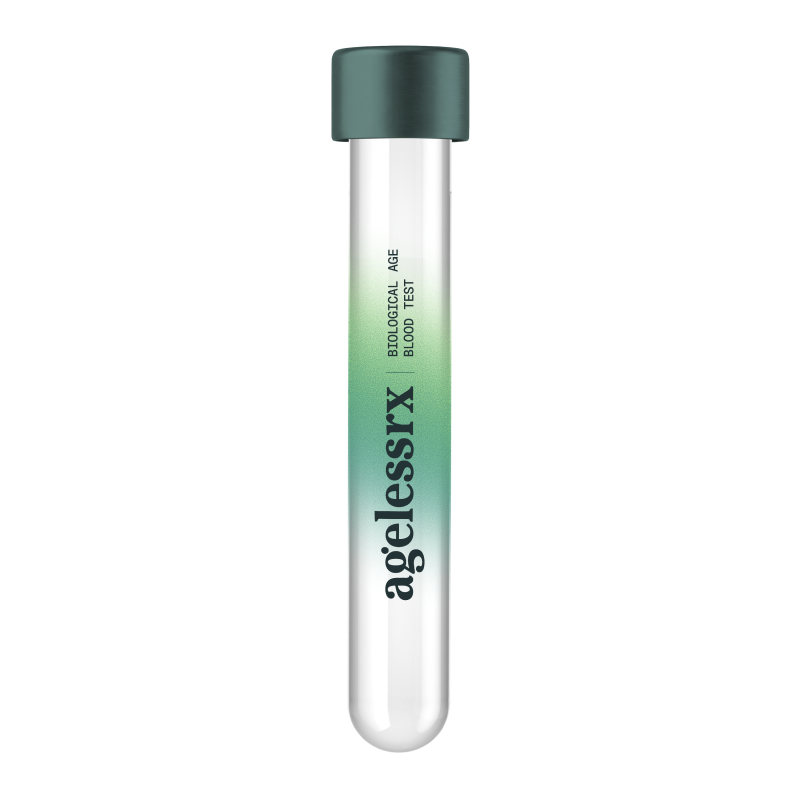
Your birthday tells you how long you’ve lived. PhenoAge testing helps reveal how your body is aging beneath, so you can stop guessing, establish a baseline, and track what changes over time.
Reveal your biological age with a simple, pain-free at-home saliva test that measures specific locations on your DNA for deeper insights into your overall health and longevity.
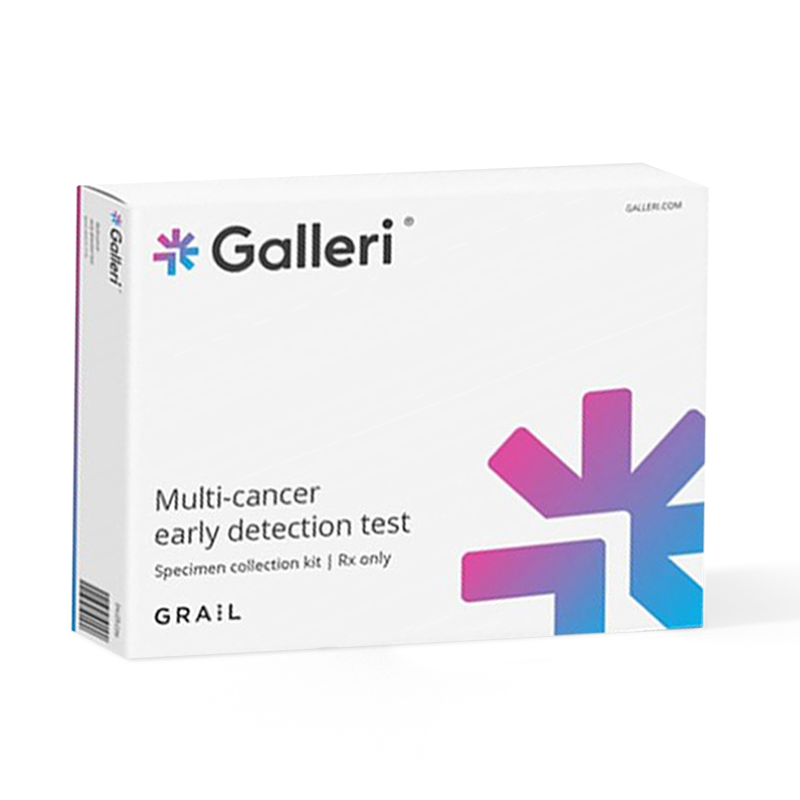
Screen for a signal shared by 50+ cancer types–often before symptoms appear–with one simple blood draw, giving you more opportunity to find something earlier and take action.
A Continuous Glucose Monitor is a small, flexible sensor worn just under the skin that measures your glucose levels continuously, every 15 minutes, rather than the single-point-in-time snapshot you get from a finger prick. Scan it with your phone or a reader, and you can see where your blood sugar has been over the last several hours, not just where it is right now.
Blood sugar swings affect energy, focus, cravings, and mood well before anyone would call it a diabetes diagnosis, and glucose regulation is one of the earliest systems to show strain as metabolic health declines, often years before it affects a standard lab value.2 3 5 Wearing a CGM lets you see, in real time, how specific meals, workouts, sleep, or stress actually move your glucose, which turns vague dietary advice into something personal and specific.
The Stelo Glucose Biosensor is a pioneering over-the-counter (OTC) device, approved in early 2024. Since the summer of the same year, it’s been available to buy without a prescription across the United States.
It is designed for a broad audience—for example, people with type 2 diabetes who are not on insulin, those with prediabetes, and even those who want to learn more about how their eating habits affect their glucose levels. As one of the first non-prescription Continuous Glucose Monitors (CGM), Stelo offers a simple, no-frills option for beginner glucose monitoring.
Accuracy: Stelo provides reliable glucose readings. While sensors are designed to last up to 15 days, note that around 20 percent may not last the entire duration, and 10 percent may only last for 12 days.
App Compatibility: The Stelo app integrates with Apple Health, providing basic glucose tracking without advanced analytics. When paired with Nutrisense, users benefit from deeper data insights and better tracking options.
A glucose biosensor like Stelo offers a window into your body’s glucose response, not just an average. HbA1c gives you a single number reflecting roughly three months of average blood sugar; it can’t tell you that a specific breakfast spikes your glucose levels while a similar-calorie lunch barely moves the needle, or that your glucose runs higher after a poor night’s sleep.6
That level of individual, real-time insight is something no once-a-year blood draw can show you, and it’s often the missing piece between generic nutrition advice and something that actually works for your body.